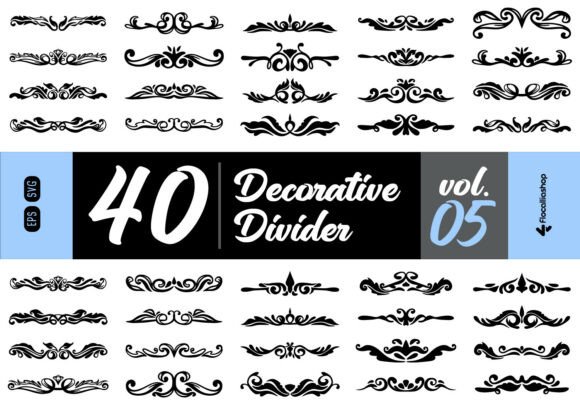
Elevating Design with Vintage Line Art Decorative Dividers: A Guide to Ornamental Elegance
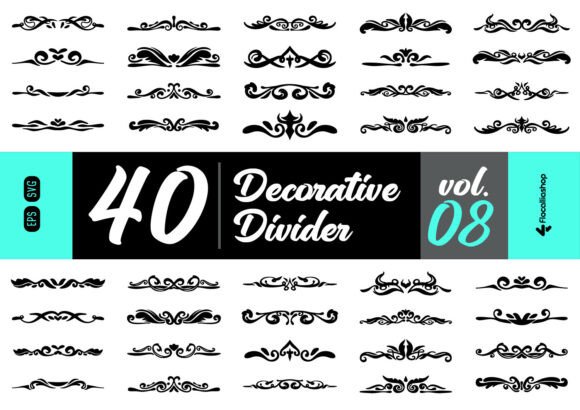
In the rapidly evolving landscape of digital and print design, there is a persistent and powerful trend moving away from sterile minimalism toward designs that evoke history, craftsmanship, and human touch. At the forefront of this movement are Vintage Line Art Decorative Dividers. These elements serve as more than mere visual breaks; they are the architectural details that transform a standard document into a curated experience. For professionals, creators, and entrepreneurs seeking to infuse their work with sophistication, tools like Enhance your creative projects with 40 Decorative Divider Vol. 01 offer a premium collection of elegant ornamental line elements designed to meet modern standards while honoring classic aesthetics.
The Resurgence of Classic Ornamentation in Modern Branding
The design industry has long oscillated between extremes. After years dominated by flat design and ultra-clean interfaces, we are witnessing a significant shift. Brands and individuals are increasingly looking for ways to establish authority and trust through visual language that suggests heritage and quality. This is where Vintage Line Art Decorative Dividers become indispensable. They bridge the gap between contemporary functionality and timeless elegance.
Why are people paying attention to this specific style? In an era of AI-generated imagery and generic stock photos, hand-crafted vector art stands out. It signals intentionality. When a designer incorporates refined vintage flourish details into a layout, they are communicating that the content within is valuable, carefully considered, and worthy of respect. Whether for a high-end wedding invitation or a corporate certificate, these dividers provide a "classy touch" that instantly elevates the perceived value of the project.
Understanding the Versatility of Ornamental Line Elements
Vintage Line Art Decorative Dividers are not limited to a single application. Their utility spans across various mediums, making them a critical asset for any creative toolkit. The core appeal lies in their adaptability. Unlike raster images that lose quality when resized, these elements are built on scalable vector graphics, ensuring crisp lines whether printed on a massive banner or viewed on a mobile screen.
Consider the workflow of a freelance graphic designer. Time is often the most scarce resource. Creating intricate flourishes from scratch in Adobe Illustrator can take hours. However, with a curated set like the 40 Decorative Divider Vol. 01, designers can access high-quality, ready-to-use assets immediately. Each element is carefully crafted to deliver a luxurious, classic, and professional look, allowing the creator to focus on composition and color theory rather than drawing individual strokes.
Integrating Dividers into Diverse Creative Workflows
The true power of these decorative separators lies in how seamlessly they integrate into broader creative ecosystems. From social media templates to physical packaging, the ability to maintain brand consistency across different formats is crucial. Let us explore how these elements function in specific contexts.
Wedding Invitations and Formal Stationery
The wedding industry is a prime example of where tradition meets modern customization. Couples today want unique stationery that reflects their personal story without sacrificing readability. Vintage Line Art Decorative Dividers act as the perfect frame accents or headers for invitations, menus, and programs. They guide the eye through the text, separating names from dates and venues with grace. The ornate nature of these dividers adds a layer of formality that plain lines simply cannot achieve, ensuring the event feels exclusive and memorable.
Logo Branding and Corporate Identity
For businesses, particularly those in luxury goods, legal services, or artisanal food and beverage, branding must convey stability and excellence. Incorporating ornamental line art into logo design or letterheads can differentiate a company from competitors who rely solely on bold typography. These dividers can be used as subtle underlines for signatures, borders for business cards, or separators in annual reports. They add a "luxurious" dimension that resonates with clients looking for established, trustworthy partners.
Packaging and Product Labels
In the retail sector, packaging is the silent salesman. Consumers make split-second decisions based on shelf presence. A product label featuring clean, scalable vector shapes and vintage flourishes suggests a premium product inside. Whether it is a small-batch coffee bag, a cosmetic jar, or a craft beer bottle, these decorative elements break up the negative space and draw attention to key information. They allow brands to tell a story of heritage and quality before the customer even opens the package.
Technical Advantages: Scalability and Format Flexibility
Beyond aesthetics, the technical specifications of Vintage Line Art Decorative Dividers address the practical needs of modern production workflows. The inclusion of multiple file formats ensures compatibility with the latest hardware and software, streamlining the path from concept to completion.
- EPS Vector Files: These are fully editable and scalable, making them the gold standard for professional desktop publishing. Designers using Adobe Illustrator can manipulate anchor points, adjust stroke weights, and recolor elements to perfectly match brand guidelines.
- SVG Files: Ideal for web development and digital projects, SVGs ensure that decorative dividers remain sharp on any device resolution. They are also the preferred format for cutting machines like Cricut and Silhouette, opening up possibilities for paper crafts, scrapbooking, and custom signage.
This versatility means that a single asset library can serve both digital marketers creating social media layouts and artisans producing physical journals and planners. The transition from digital mockup to final print or cut file is seamless, reducing errors and saving time.
Adapting to Changing Consumer Preferences
Consumer expectations have shifted. There is a growing demand for authenticity and tactile experiences, even in digital spaces. People are tired of the "perfectly polished" but soulless aesthetic. They crave designs that feel handmade and thoughtful. Vintage Line Art Decorative Dividers tap into this psychological desire. They introduce texture and rhythm to a layout, mimicking the imperfections and intricacies of traditional engraving and calligraphy.
Furthermore, the rise of the "maker" economy has empowered individuals to create professional-grade materials at home. With compatible files for cutting machines, enthusiasts can produce custom greeting cards, scrapbook pages, and personalized gifts that rival commercial products. This democratization of design tools allows small businesses and hobbyists to compete visually with larger corporations.
Strategic Implementation for Maximum Impact
To truly leverage these assets, one must understand how to use them strategically. Over-decoration can clutter a design, so restraint is key. The goal is to enhance, not overwhelm. Here are practical observations on effective usage:
- Hierarchy and Flow: Use dividers to create clear sections in documents. A large, central flourish can serve as a header, while smaller, simpler lines can separate bullet points or paragraphs.
- Balance Minimalism and Ornamentation: Even in minimal compositions, a single, well-placed vintage divider can add necessary weight and character. It works beautifully as a border or a separator, providing a focal point without dominating the entire page.
- Consistency Across Touchpoints: Ensure that the style of the divider matches the overall tone of the brand. If the typography is modern sans-serif, a delicate, thin-line divider might work best. If the font is a heavy serif, a bolder, more complex flourish may be appropriate.
When utilized correctly, these elements do more than fill space; they define the mood. They turn a simple list of events into a sophisticated itinerary, or a basic certificate into a prestigious award.
Conclusion: Investing in Timeless Design Assets
The integration of Vintage Line Art Decorative Dividers into modern design workflows represents a smart investment for anyone serious about visual communication. As the market continues to evolve, the need for assets that combine historical charm with technical precision will only grow. Collections like 40 Decorative Divider Vol. 01 provide the foundation for creating high-impact visuals that resonate with audiences seeking quality and elegance.
Whether you are a marketing professional crafting a campaign, a freelancer designing a wedding suite, or an entrepreneur building a brand identity, these ornamental line elements offer a versatile solution. They empower creators to deliver work that is not only functional but also emotionally engaging. By embracing these classic forms, designers can future-proof their portfolios, ensuring their work remains relevant and beautiful in an ever-changing digital world. The fusion of vintage flair and modern vector technology is not just a trend; it is a enduring approach to creating meaningful, professional, and luxurious design experiences.