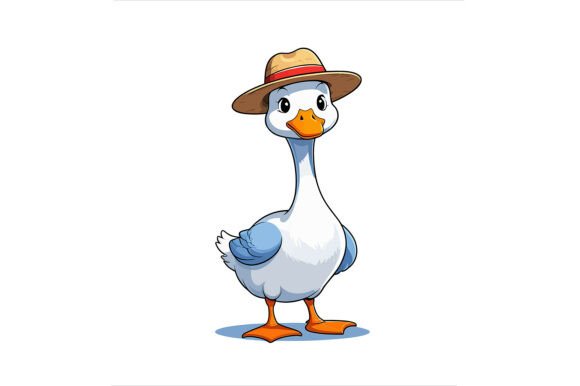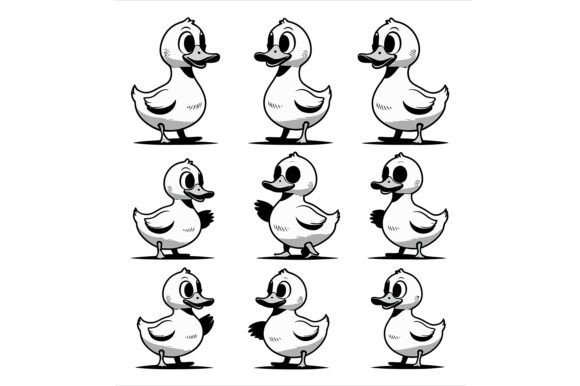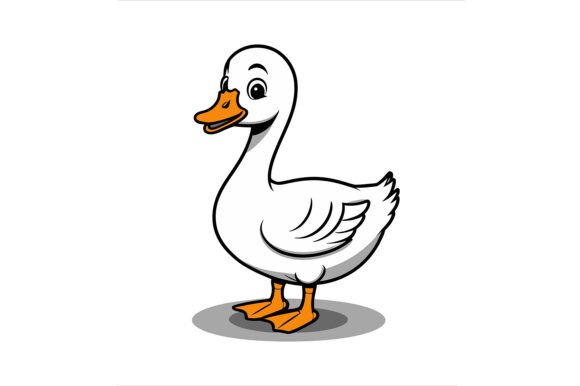
Unlocking Creativity with High-Quality Vector Art of a Cartoon Duck
In the vibrant world of digital design, the right visual asset can transform a simple concept into a compelling story. Whether you are an aspiring graphic designer, a small business owner looking to launch a new merchandise line, or a parent creating educational materials for your child, the choice of imagery matters immensely. Among the most beloved and versatile subjects in illustration is the cartoon duck. This cheerful character has long been a staple in children's books, logos, and casual branding. However, not all images are created equal. Understanding the power of vector art, specifically high-quality EPS files, is crucial for anyone looking to elevate their projects from amateur to professional.
This guide explores the significance of using vector illustrations, focusing on a specific, high-quality asset: a fully editable cartoon duck. We will delve into why format matters, how these assets fit into modern workflows, and the practical applications that make them indispensable tools for creators today.
The Power of Vector Graphics in Modern Design
To truly appreciate the value of a downloadable vector file, one must first understand the fundamental difference between raster and vector graphics. Most images found on the internet—such as those taken with a smartphone camera or downloaded from standard stock photo sites—are raster images. These are made up of a grid of tiny colored squares called pixels. When you zoom in on a raster image, it eventually becomes blurry or "pixelated" because the software has to guess where the missing colors should go.
In contrast, vector art is built on mathematical equations. Lines, curves, and shapes are defined by coordinates rather than pixels. This means that a vector illustration of a cartoon duck can be resized from the size of a postage stamp to the size of a billboard without losing a single bit of clarity. The edges remain crisp, the lines stay smooth, and the colors remain vibrant regardless of the scale. This scalability is the primary reason why professionals insist on using EPS (Encapsulated PostScript) formats for their work.
Why EPS Files Are the Gold Standard
The EPS format is a legacy file type that remains a cornerstone of the printing industry and professional design software. Unlike JPEGs or PNGs, which are static images, an EPS file contains the actual data needed to reconstruct the image. When you download a fully editable vector file, you aren't just getting a picture; you are getting the blueprint of the design.
This editability opens up a world of customization. With the right software, such as Adobe Illustrator, CorelDRAW, or free alternatives like Inkscape, you can:
- Resize freely: Adjust the dimensions for a business card or a large banner without quality loss.
- Change colors: Instantly swap the yellow of the duck for blue, red, or any brand-specific hex code.
- Modify details: Add a hat, change the expression, or remove background elements entirely.
- Layer management: Isolate specific parts of the design for complex compositing.
Practical Applications: From Print-on-Demand to Education
The versatility of a high-quality cartoon duck vector extends far beyond simple decoration. Its clean lines and friendly aesthetic make it suitable for a wide array of industries and personal projects. Here is how this type of asset fits into various aspects of modern life and business.
1. Print-on-Demand and Apparel Merchandise
The rise of print-on-demand (POD) platforms has democratized the creation of physical goods. Entrepreneurs can now sell t-shirts, hoodies, mugs, and tote bags without holding inventory. For these products, image resolution is non-negotiable. A low-resolution JPEG might look okay on a screen but will appear muddy when printed on fabric. Using an EPS vector file ensures that the design prints sharply, even on dark fabrics or large surface areas. A cute cartoon duck design can become the centerpiece of a children's clothing line, a summer festival collection, or a quirky gift shop item.
2. Crafting and DIY Projects
For hobbyists and crafters, vectors are essential for precision cutting machines like Cricut or Silhouette. These devices rely on clear paths to cut vinyl, paper, or fabric accurately. Because the vector file defines the shape mathematically, the machine can trace the outline of the duck perfectly, allowing for intricate scrapbooking, sticker making, and decal application. The included high-resolution JPEG serves as a preview, but the vector file is what makes the crafting process seamless.
3. Educational Materials and Children's Content
Teachers and content creators often need engaging visuals to capture the attention of young learners. Animals, particularly ducks, are universally recognized and loved by children. A vector illustration allows educators to integrate the image into worksheets, flashcards, and presentations. You can easily color-code different parts of the duck for anatomy lessons or use it as a mascot for a classroom reward system. The ability to resize the image ensures it looks great whether projected on a smartboard or printed on a small index card.
4. Branding and Logos
While corporate logos often lean towards minimalism, many brands in the lifestyle, food, and toy sectors embrace playful characters. A customizable cartoon duck can serve as a memorable logo element. Because the file is fully editable, a designer can tweak the beak angle, eye shape, or posture to align perfectly with a brand's personality before finalizing the trademark.
Bridging AI Concepts with Human Craftsmanship
In the rapidly evolving landscape of digital art, Artificial Intelligence (AI) has emerged as a powerful tool for generating concepts. However, there is a common misunderstanding that AI-generated images are ready for immediate commercial use. Often, raw AI outputs lack the structural integrity required for professional printing or editing. They may have weird artifacts, inconsistent lines, or incorrect layer structures.
This is where human expertise becomes invaluable. The cartoon duck illustration described here represents a hybrid approach: it leverages the creative spark of AI-generated concepts to generate unique ideas and compositions, but it is then fully vectorized, resized, and carefully edited by a human professional. This process ensures that the final product meets the rigorous standards of the design industry. Every curve is smoothed, every anchor point is optimized, and the file structure is organized for ease of use.
This distinction is vital for users who require reliability. While AI can provide inspiration, a professionally finished vector file guarantees that the asset will perform correctly in your workflow, whether you are sending it to a printer or uploading it to a web platform.
Maximizing Your Workflow with Dual Formats
When purchasing or downloading design assets, having access to multiple file formats significantly enhances productivity. The package typically includes two distinct files, each serving a specific purpose:
- 1 EPS File (Fully Editable Vector): This is your master file. Use this when you need to customize the design, prepare it for large-scale printing, or integrate it into complex layouts. It offers maximum flexibility for professional design work.
- 1 High-Resolution JPEG File: This is your quick-access file. If you need to insert the image into a blog post, a social media graphic, or a presentation slide immediately without opening heavy vector software, the JPEG provides a ready-to-use option. It retains high quality for digital screens while saving time.
Having both formats eliminates the friction often encountered in design projects. You don't have to wait to convert files or worry about compatibility issues. The workflow becomes fluid, allowing you to focus on creativity rather than technical hurdles.
Conclusion: Elevating Your Creative Projects
Choosing the right assets is a critical step in the design process. A high-quality vector art of a cartoon duck is more than just a cute picture; it is a flexible tool that empowers creators across various fields. From the entrepreneur launching a t-shirt brand to the teacher preparing a lesson plan, the benefits of scalability, editability, and professional quality cannot be overstated.
By understanding the difference between raster and vector, and recognizing the value of human-refined AI concepts, you ensure that your projects stand out with clarity and style. Whether for stickers, posters, apparel, or digital scrapbooking, investing in well-crafted vector files is an investment in the longevity and professionalism of your work. Embrace the freedom to resize, recolor, and reimagine, and let high-quality design assets bring your unique vision to life.